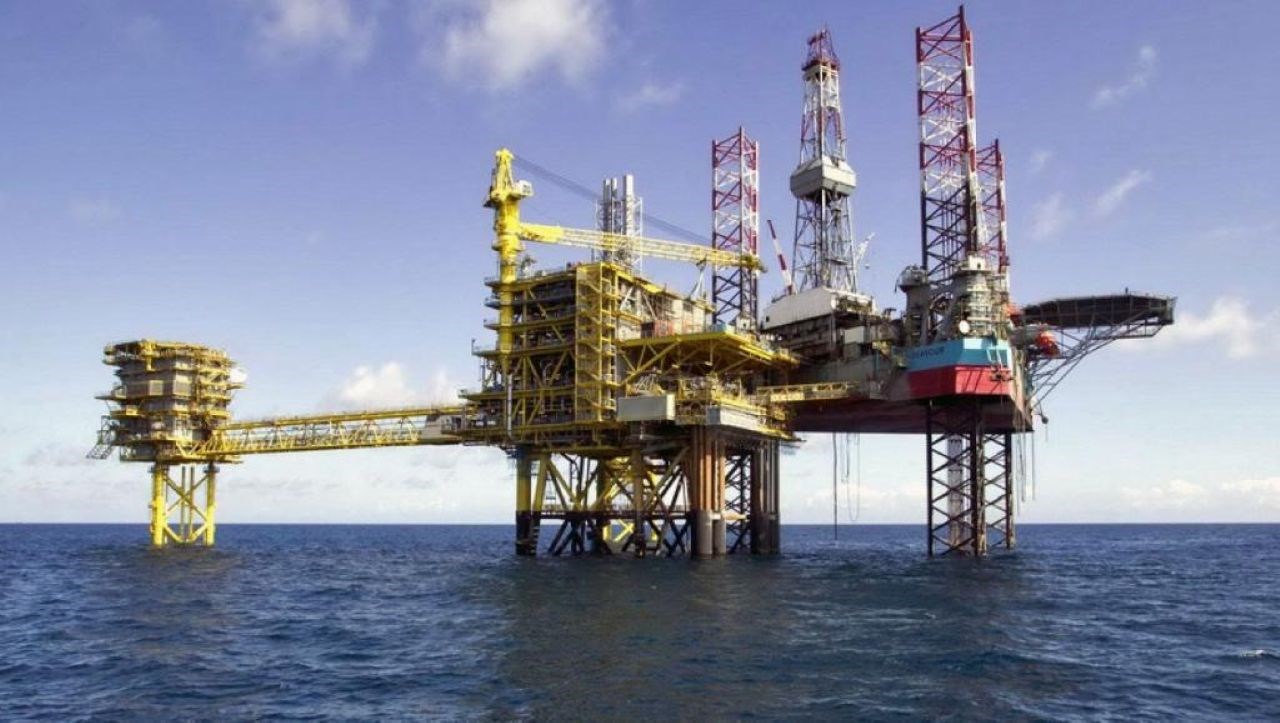
Nigeria is accelerating its strategy to revive investment in the hydrocarbon sector. Indeed, the Nigerian Upstream Petroleum Regulatory Commission (NUPRC), the regulator, has officially launched the 2026 licensing round, with the auctioning of 40 oil and gas blocks, distributed across onshore, shallow water, and deepwater areas.
The launch of this call for tenders on 7 October, according to Reuters, follows the approval of President Bola Tinubu, who also serves as the Minister of Petroleum Resources. Through this new operation, Abuja seeks to attract more private and international capital to the upstream petroleum sector, as the country aims to increase production and better leverage its significant hydrocarbon resources.
Details regarding the blocks involved, eligibility criteria, and participation procedures are expected to be published on the portal dedicated to the 2026 cycle and on the NUPRC website. For Oritsemeyiwa Eyesan, Executive Commissioner at the NUPRC, the competition for capital intended for exploration and production has become particularly intense.
Nigeria therefore intends to offer investors a more predictable framework, with clearly defined rules and increased access to technical data. The 2026 cycle will thus introduce several measures aimed at strengthening the transparency of the process.
Applicant companies must notably declare their beneficial owners. The NUPRC also plans for a more detailed publication of its evaluation methodology as well as more comprehensive communication regarding the results of the call for tenders.
These measures notably address the recommendations formulated by the Nigeria Extractive Industries Transparency Initiative (NEITI), which had identified potential improvements regarding the evaluation methodology, the publication of results, and public access to information related to submissions. 1,82 million barrels per day. This new operation occurs in a context of recovery for Nigerian production.
According to the Minister of State for Petroleum Resources, Heineken Lokpobiri, as cited by the outlet, production of crude oil and condensates has reached 1,82 million barrels per day, an increase of more than 80% since the arrival in power of the Bola Tinubu administration in 2023. This rise is accompanied by a resumption of drilling activity.
More than 73 rigs are reportedly currently operational in the country. The NUPRC also indicates that it has approved, since 2024, 120, development plans for oil and gas fields representing approximately 47,6 billion dollars in capital commitments.
Once these projects are fully developed, they could add up to 1,74 million barrels of oil per day and 13,9 billion standard cubic feet of gas per day to Nigeria's production capacity. Abuja targets 3 million barrels per day by 2030.
The Nigerian government intends to go further. The NUPRC estimates that the assets resulting from previous allocation cycles, if developed in accordance with the plans, could generate approximately 500 million barrels in additional reserves and at least 300 000 barrels per day of additional production of crude oil and condensates within five years.
This contribution is intended to support the national goal of increasing production to 3 million barrels per day by 2030. The challenge also concerns gas.
The assets in question could provide approximately 20 000 billion cubic feet of gas reserves, as well as an additional production capacity announced at approximately 50 million standard cubic feet per day, in support of the government's gas development strategy. Beyond new blocks, Abuja is also seeking to recover a portion of its existing production capacity.
The NUPRC has identified approximately 788 000 barrels per day of suspended production among 63 operators. Returning these volumes to service constitutes one of the immediate priorities of the regulator.
The commission also wants to advance offshore projects representing between 30 and 50 billion dollars toward their final investment decisions. The objective is thus to combine the exploitation of existing resources with the opening of new zones to investment.
The success of the 2025 cycle as a starting point. The 2026 cycle is in line with previous operations conducted by the NUPRC.
During the 2025, 143 licensing round, companies submitted 200 bids, allowing 31 of them to win 37 blocks. The commission at the time noted increased interest in basins located beyond the traditional oil zones of the Niger Delta, notably the Anambra, Benue, Chad, and Benin basins.
Since the entry into force of the PIA in 2021, three exercises