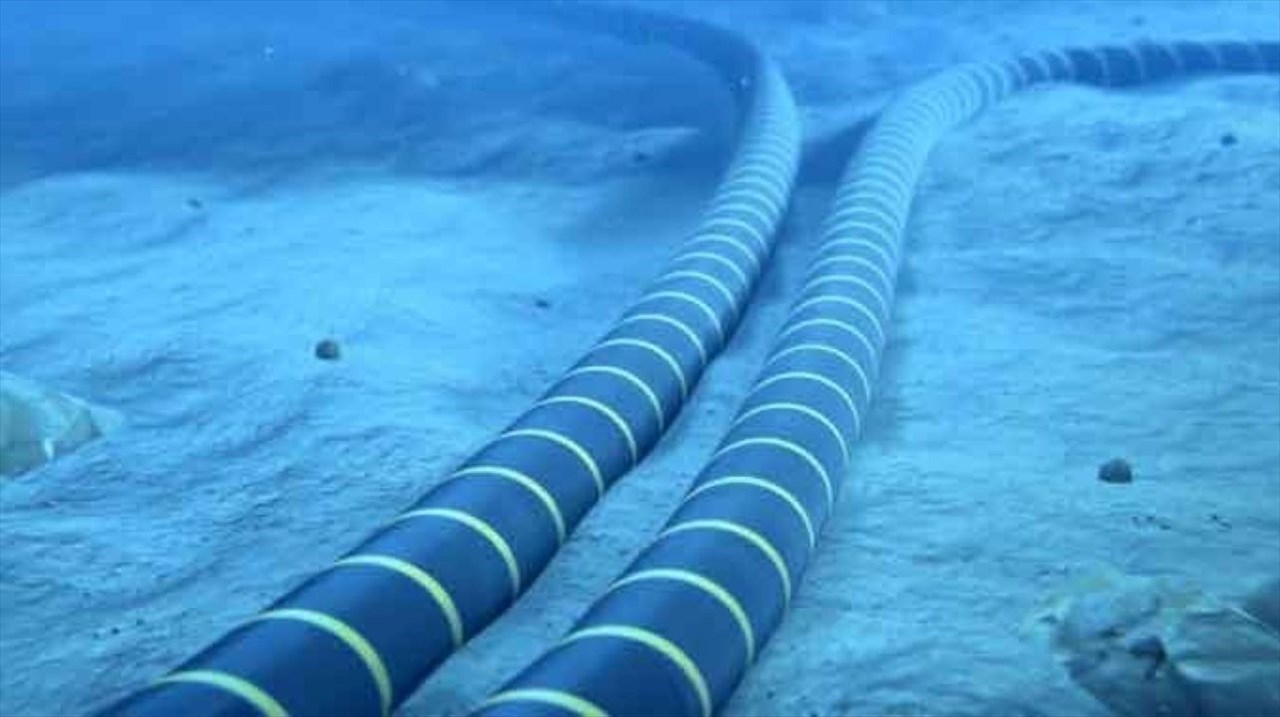
The Africa Coast to Europe (ACE) fiber optic submarine cable landing station located in Lagos, Nigeria, is preparing to evolve its energy supply model through a solar partnership. Concluded in October 2026, this partnership involves diversifying the site's energy mix to reduce operating costs, lower fossil fuel consumption, and strengthen the ecological footprint of a strategic digital infrastructure for West Africa.
This project is based on the signing of a 10-year contract structured as an energy-as-a-service supply agreement. It brings together the global telecommunications operator Dolphin Telecoms, which manages the local station, and the Nigerian company Grid Crux Energy Solutions, specialized in the development of clean energy projects.
Under this partnership, Grid Crux handles the entire design, financing, installation, and technical operation of the on-site photovoltaic equipment. As essential infrastructure for international networks, the ACE submarine cable spans a total length of 17 000 km along the Atlantic coast.
Initially commissioned in December 2012 for a total investment of 700 million USD, this network connects France to South Africa, serving directly or indirectly 20 countries and over 500 million inhabitants. Dolphin Telecoms has invested more than 60 million USD in this facility and holds exclusive landing rights in Lagos, Accra, and Dakar, thus covering markets that account for 80 % of the West African population.
The solar installation will provide more than 144 MWh of clean energy each year, reaching more than 1,5 GWh over the life of the contract. Connected to current facilities, the system will be capable of being monitored remotely and in real time.
This energy transition allows the Lagos station to secure its supply while lowering the electricity bill and the noise level of generators. Anselme Akéko Published on 13/10/26 17:36 The Editorial Staff