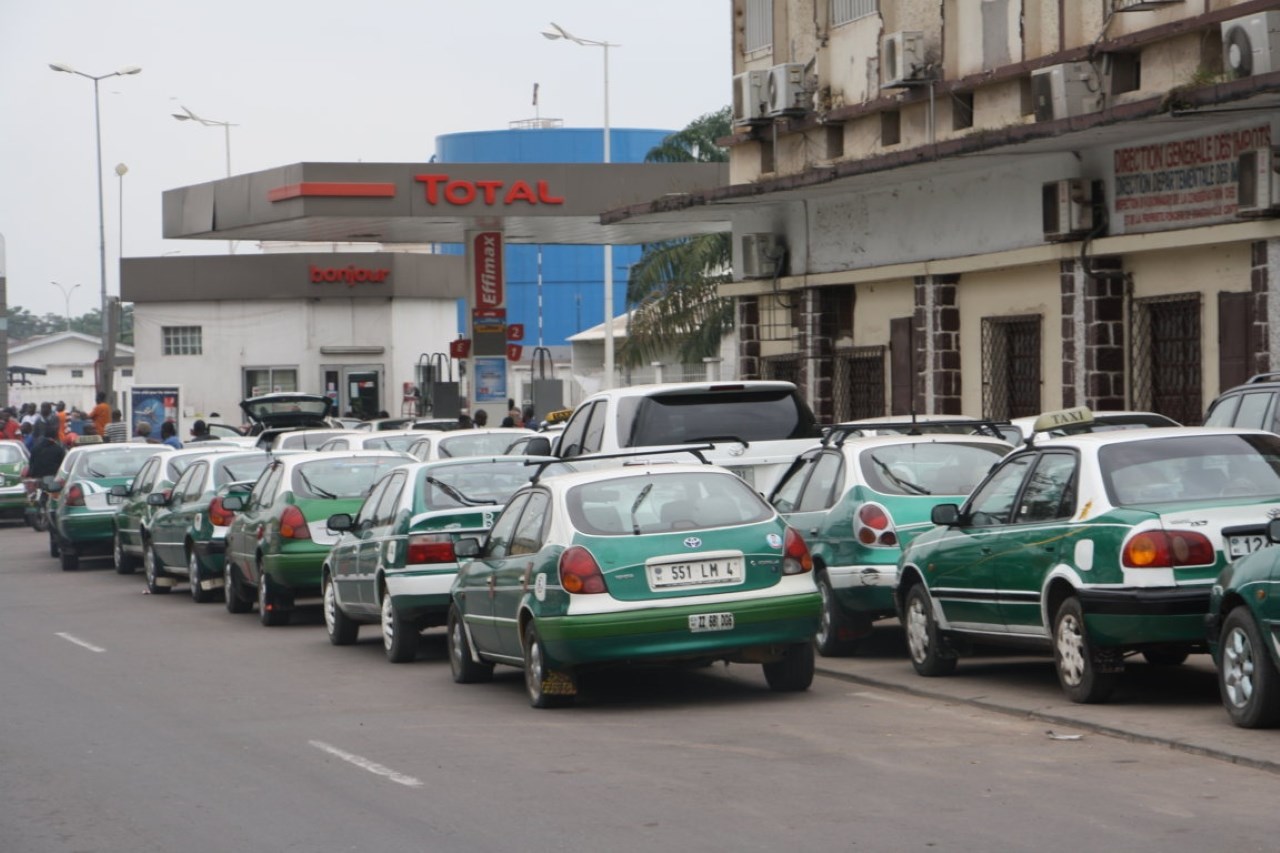
Fuel shortages are weighing heavily on the financial position of Congolese companies. According to the economic outlook survey by the Directorate General of Economy (DGE), 30,4% of companies surveyed in the second quarter of 2026 believe these disruptions threaten their cash flow.
At the same time, 43% report incurring additional costs that directly reduce their profit margins. These difficulties affect several branches of the economy, including industry, trade, transport, and services.
Diesel is the primary product affected by these tensions. It is cited by more than two-thirds of the executives surveyed as the fuel most difficult to obtain.
Its availability conditions both transport operations and the functioning of power generators used to compensate for electricity outages. In both Brazzaville and Pointe-Noire, companies report recurring tensions, which disrupt their daily organization and supplies.
The economic consequences go beyond mere supply difficulties. More than half of the companies surveyed report a sharp increase in their operating expenses, linked in particular to fuel purchases on the parallel market.
Nearly 46% state that they have experienced slowdowns or partial interruptions in their activities. Delivery delays and difficulties in staff commuting also disrupt relationships with clients and suppliers.
The crisis also promotes the development of irregular commercial practices. According to the DGE, 62,7% of the executives surveyed report clandestine sales and phenomena of overcharging.
Companies attribute these difficulties to a lack of anticipation in supply, tensions in international markets, and logistical constraints. The transportation of petroleum products between Pointe-Noire and Brazzaville is notably among the problems identified by economic operators.
Faced with these disruptions, companies are prioritizing measures intended to sustainably secure distribution. The constitution of strategic stocks is desired by more than half of the executives surveyed.
Others recommend priority supply for essential activities and an improvement in logistical circuits. These demands reflect the concerns of a private sector facing rising energy costs, the erosion of its margins, and increasing pressure on its cash flow.
Idrissa Diakité Published on 14/10/26 18:08 The Editorial Staff