Germany plans to disburse an additional 15 million euros, or approximately 9,8 billion FCFA, in support of Benin in 2026. This funding package is expected to support three initiatives aimed at strengthening the country's energy capacity, improving business support, and fostering female entrepreneurship.
The announcement was made this 8 October in Cotonou, the Beninese capital, following preliminary consultations for intergovernmental negotiations between the two countries. The discussions were held at the Beninese Ministry of Economy, Finance and Cooperation, under the co-chairmanship of Hugues Lokossou, Minister in charge of External Resource Mobilization and Debt Management, and Silvia Morgenroth, Director of the West Africa Division at the German Federal Ministry for Economic Cooperation and Development.
This additional funding is structured around three complementary pillars: solar energy, private sector development, and the strengthening of women's economic autonomy. It aims to support activities capable of contributing to value creation and improving the living conditions of the population, according to a Beninese government statement.
A solar component planned at the Nangbéto power plant
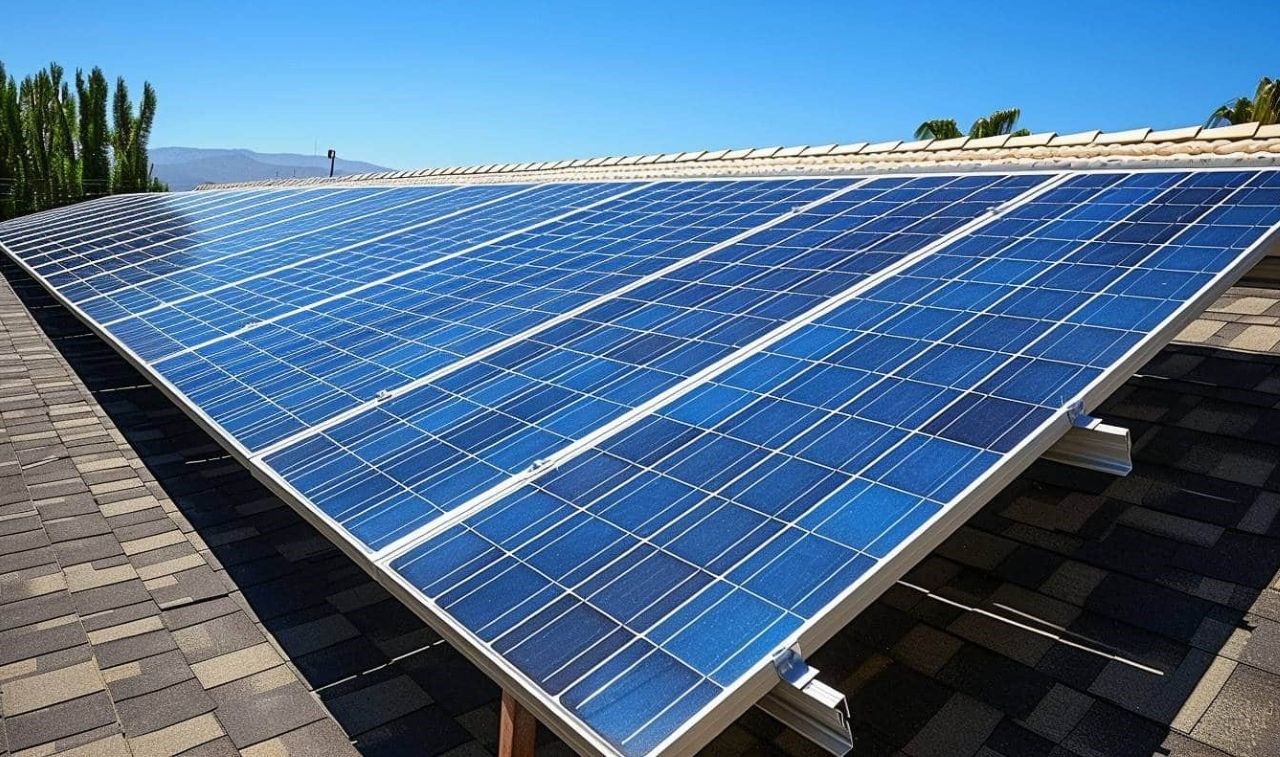
The first component concerns the development of a solar facility within the Nangbéto hydroelectric power plant. This energy infrastructure, located on the Mono River on the border between Benin and Togo, is a facility shared by both countries.
The integration of a solar component is part of a strategy to diversify electricity production sources. By combining solar energy with hydroelectric production, the project could help strengthen the complementarity between renewable energy sources and improve electricity availability.
The technical specifications of the project, including its solar capacity, implementation schedule, and precise financing terms, were not, however, detailed in the announcement. Beyond this operation, German support comes in a context where securing electricity supply constitutes a major issue for the development of economic activities, industrialization, and improving public access to energy.
PME and women entrepreneurs at the heart of the mechanism
The second component of the funding concerns the extension of a consulting program for small and medium-sized enterprises. The goal is to strengthen support for companies, particularly in their structuring, management, and development processes.
For Beninese PME, access to adapted consulting services can help improve management practices, strengthen competitiveness, and facilitate the search for financing or access to new markets.
The third pillar is dedicated to supporting women entrepreneurs. This support aims to strengthen their position in the economic fabric and foster the development of their activities.
The combination of these two interventions reflects a desire to support the private sector beyond mere investment in infrastructure. Strengthening business capacities and supporting women in their economic initiatives also constitute levers for job creation and the diversification of productive activities.
Beyond the additional 15 million euros, the Cotonou consultations allowed both delegations to review the major priorities of their cooperation. Three areas structure the discussions: good financial governance and decentralization, private sector development and vocational training, as well as water and biodiversity.
These priorities cover essential issues for the Beninese economy, ranging from improving public management to strengthening professional skills, including environmental resilience and the development of economic activities.
The German delegation commended the economic and financial reforms undertaken by Benin, stating that they help open up new prospects for a predominantly young population. Both parties also reaffirmed their commitment to democracy, the rule of law, and international cooperation based on multilateralism and respect for international law.
The discussions were described as constructive by both delegations, which agreed to continue the dialogue during the intergovernmental negotiations scheduled in Berlin in 2027. This next milestone is expected to allow for further exchanges on the priorities for cooperation and the modalities of intervention for both countries.
Published on 13/10/26 17:13
Narcisse Angan