Imagine a doctor who would make a diagnosis remotely, without ever having examined the patient, and whose verdict would set the price of their medication. This is, in essence, the grievance that Africa has been addressing to international rating agencies for years.
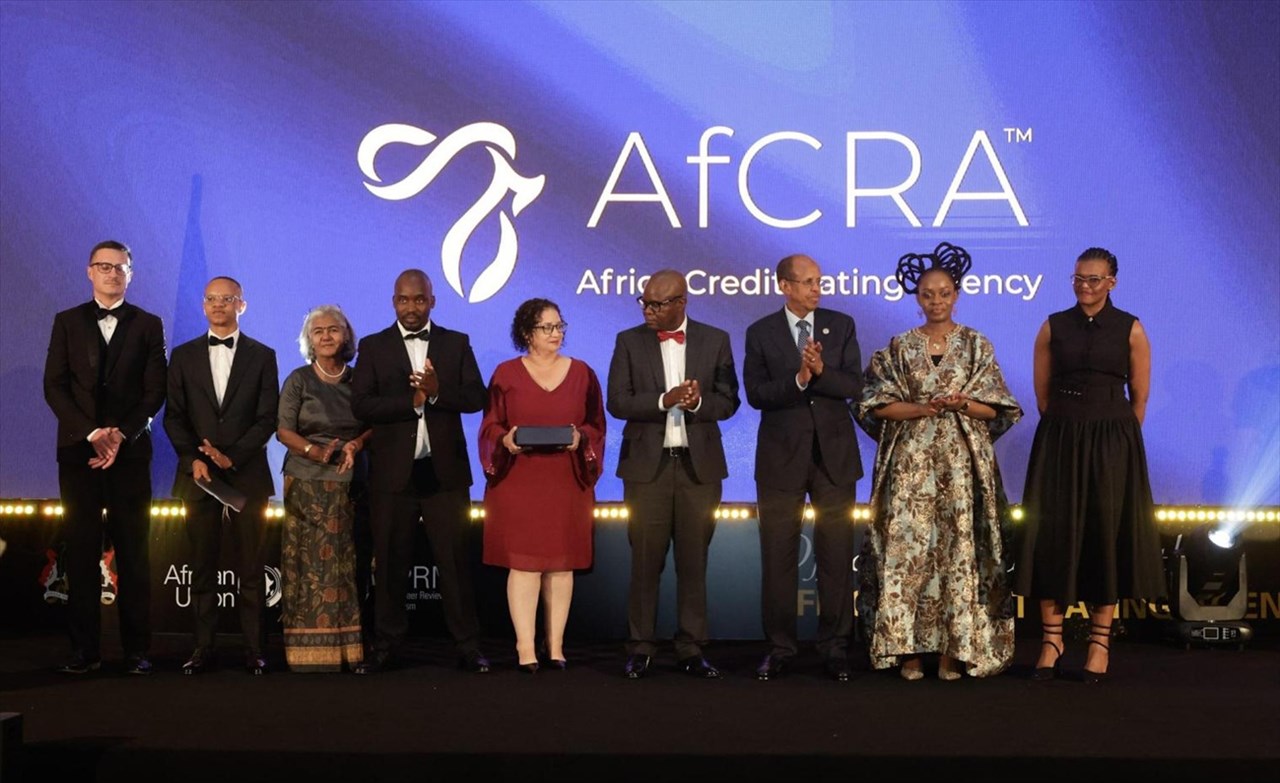
This 7 October 2026, in Mauritius, it decided to equip itself with its own stethoscope with the official launch of the African Credit Rating Agency (AfCRA). A rating, a price.
A credit rating measures a state's ability to repay its debts. The lower it is, the higher the yield investors demand to lend, and the more expensive borrowing becomes.
For Mahmoud Ali Youssouf, Chairperson of the African Union Commission, the stake is therefore direct: an assessment that ignores local data and realities increases the cost of capital, to the detriment of roads, hospitals, schools, and energy. The plea carries even more weight as many member states are already under strong pressure linked to debt service, i.e., the annual sums devoted to repaying capital and interest.
A second opinion, not a free pass. The AfCRA does not seek to supplant established agencies nor to distribute complacent ratings.
Its promoter stresses: it is about offering the market a second look, independent and nourished by African expertise, in order to fill information blind spots. Its credibility, it is acknowledged, will be its only real capital.
This presupposes ratings based on evidence, sheltered from political pressures and conflicts of interest, and in compliance with international standards. Governments will in turn have to provide accurate and timely data, and continue the sanitization of their public finances.
Mauritius, the chosen stronghold. The choice of Mauritius is no coincidence.
The island relies on a well-established international financial center, a proven regulatory framework, and strong links with both African and global markets. The Minister of Financial Services, Jyoti Jeetun, sees this as a historic moment and promises a platform intended to connect capital to African projects, from infrastructure to renewable energies, from health to agribusiness.
A long gestation. The project has come a long way.
The African Union had approved its creation in 2017, and the African Peer Review Mechanism (MAEP) subsequently spearheaded its transformation into an operational institution. Its Executive Director, Ambassador Marie-Antoinette Rose Quatre, recalls that this body documented biases in the assessment of African sovereign risk, built the agency's technical framework, and designed its independence safeguards.
The most difficult part remains: convincing. Investors will judge the AfCRA on the rigor of its methods and the consistency of its ratings, much more than on the solemnity of its launch.
For Africa, it is a matter of regaining control over how the world measures its risk. Published on 08/10/26 10:18 Dr.
Ange Ponou