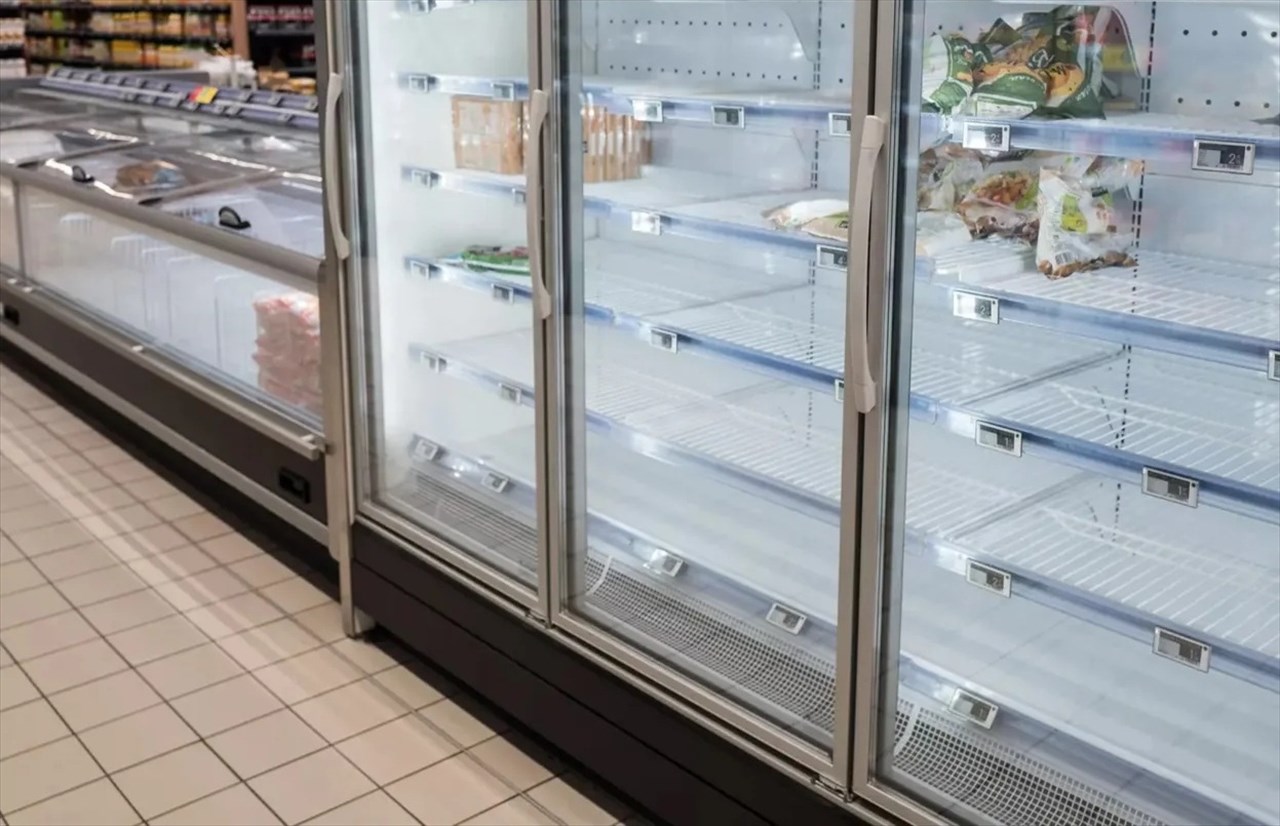
The fresh produce departments of major retailers suffered a brutal shock between Sunday night and Monday. An unprecedented computer hack remotely disrupted the refrigeration systems of more than 300 French supermarkets.
According to information provided to AFP by the retailers, at least 300 Intermarché and Netto points of sale, about forty at Coopérative U, several E. Leclerc stores, 80 Carrefour supermarkets, and around thirty Monoprix establishments were affected.
Faced with a breach in the cold chain, merchants had to discard significant quantities of fresh and frozen food to avoid any health risks. The hackers allegedly activated the forced defrosting of the units, leading to heavy material and financial losses.
The vulnerability
The incident stems from a computer vulnerability affecting control units from the Danish manufacturer Danfoss. The company clarified to AFP that the equipment targeted was outdated, end-of-life, and lacked recent updates.
Once isolated from the Internet, these industrial tools are now connected to networks to facilitate remote management.
However, their older design prioritized cost reduction over digital protection. The Paris prosecutor's office immediately opened an investigation, while the Prime Minister referred the matter to the National Cybersecurity Agency (ANSSI) to assist the victims and coordinate with European partners.
Series of major attacks
This incident in the mass retail sector is part of a series of worrying cyberattacks across the country. It follows directly from the vast hack that struck the Directorate General of Public Finances (DGFiP).
Read: France: Vast hack at the DGFiP, more than 2 million tax and land data files compromised
During this previous intrusion, more than 2 million tax and land data files belonging to individuals and companies were compromised and then put up for sale on criminal networks. The repetition of these acts shows that essential infrastructure, whether administrative or commercial, now constitutes a preferred target for hackers.
Irony of the calendar
This disruption occurs, coincidentally, in the month of October. This time of year is dedicated to Cybermois, the official cybersecurity awareness campaign intended to recall the importance of good digital practices.
The event is a cruel reminder that protective measures, such as updates, are still too often perceived as mere unnecessary expenses until an incident occurs. However, securing connected tools has become a vital priority to ensure daily supply chains.
Global cost
The case of major retailers illustrates the concrete impact of digital crime on the real economy. Globally, the overall cost of cybercrime reached approximately 9 500 billion USD for the period 2025-2026, according to data from Gotham Security.
Recent figures reveal a 38% increase in weekly attacks against businesses.
In the supermarket sector, the bill promises to be even heavier as traditional insurance contracts generally do not cover damage caused by a cyberattack on perishable goods.
In any case, this cyber crisis forces retailers to completely overhaul the management of their storage equipment. Software modernization and the replacement of old hardware are becoming essential to protect household food supplies.
But faced with the growing sophistication of hackers, are retail networks truly equipped to prevent future large-scale sabotage?
Anselme Akéko
Published on 13/10/26 17:04
The Editorial Staff