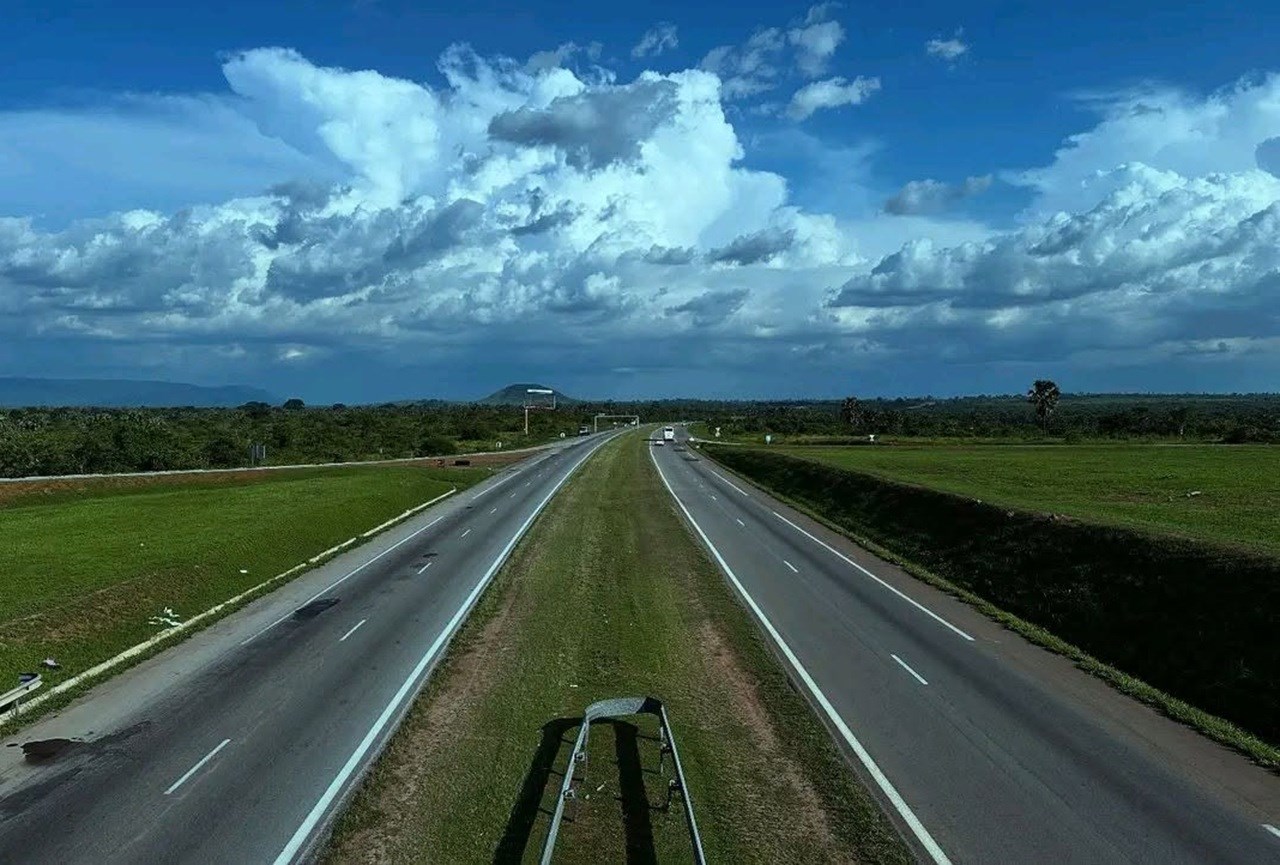
West Africa is on the verge of a major transformation in its economic architecture. At the heart of this transformation, two structuring projects crystallize regional integration ambitions.
These are the Abidjan-Lagos and Abidjan-Dakar highway corridors. Much more than simple road infrastructure, these axes are intended to profoundly reshape the West African logistics ecosystem by removing historical constraints that still hinder the region's competitiveness.
Indeed, one of the main challenges for West African economies lies in the high cost of transport, which can account for up to 40% of the final price of goods in certain 64693 landlocked countries. The Abidjan–Lagos and Abidjan–Dakar corridors aim to drastically reduce these costs by streamlining the movement of goods and reducing transit times.
Today, transporting goods between Abidjan and Lagos can take several days due to traffic congestion, multiple checkpoints, and the variable condition of the roads. With a modern, secure, and continuous highway, this time could be halved, or even more.
The result will be a reduction in logistics costs, improved business competitiveness, and better integration of regional value chains. Beyond logistics, these infrastructures are destined to become catalysts for industrialization.
By facilitating access to regional markets, they encourage the establishment of processing units along the corridors, particularly in agribusiness, textiles, and construction materials. 15,6 billion USD for the completion of Abidjan – Lagos under the aegis of the BAD Extending along the Atlantic coast, the Abidjan–Lagos highway connects five of the most dynamic economies in the region.
These are Côte d'Ivoire, Ghana, Togo, Benin, and Nigeria, forming a corridor of more than 1 028 kilometers concentrating nearly 75% of the CEDEAO's commercial activities. Specifically, the infrastructure will start from Bingerville, in the eastern suburbs of Abidjan, and end at the National Theatre in Lagos.
After the completion of studies, the project, which includes the construction of a six-lane supranational highway connecting Abidjan to Lagos, has entered its investment phase. See also - Abidjan-Lagos Highway: The new governance lays the foundations for a 1 028 km project.
With an initial overall cost of 15,6 billion dollars, the construction of this major project will be distributed among the five countries it traverses: 144 kilometers in Côte d'Ivoire, 520 kilometers in Ghana, 90 kilometers in Togo, 127 kilometers in Benin, and 82 kilometers in Nigeria. The main donors and institutions involved in the project's financing and development include the African Development Bank (BAD), as the lead for resource mobilization, having already invested in feasibility studies and technical assistance.
Next, the European Union (UE), which is actively contributing to the financing (notably via its Global Gateway strategy and funds for technical studies), the World Bank, which is involved in financing components of the corridor and facilitating trade, the CEDEAO Bank for Investment and Development (BIDC), the African Finance Corporation (AFC), the Islamic Development Bank (BID), and the European Investment Bank (BEI).
It should be noted that the BAD has already provided significant technical assistance and mobilized 25 million dollars during the preparatory phase, which is now virtually complete. On the 19 and 20 of last February, in Abidjan, a strategic orientation session for the ten members of the new Board of Directors of the project's Management Authority (ALCoMA) was organized by the BAD Group and the CEDEAO, aimed at laying the operational foundations of a supranational governance structure intended to steer the project.
Officially installed and sworn in in December 2025, during the 22th meeting of the project's ministerial steering committee, the ALCoMA Board of Directors took ownership of the technical and institutional phases, providing a new acceleration dynamic for the project, which is one of the most structuring in West Africa. In accordance with the Corridor Treaty signed by the leaders of the five member states, the highway is designed, built, and operated as a single, unified "single road."
Ultimately, it will become an economic corridor without borders. The five signatory countries of the Treaty have already created a supranational body, the Abidjan-Lagos Corridor Management Authority (ALCoMA), composed of representatives from the five member countries, tasked with designing, building, and managing this corridor.
More than 60 interchanges planned over the 1028 km. It will be a