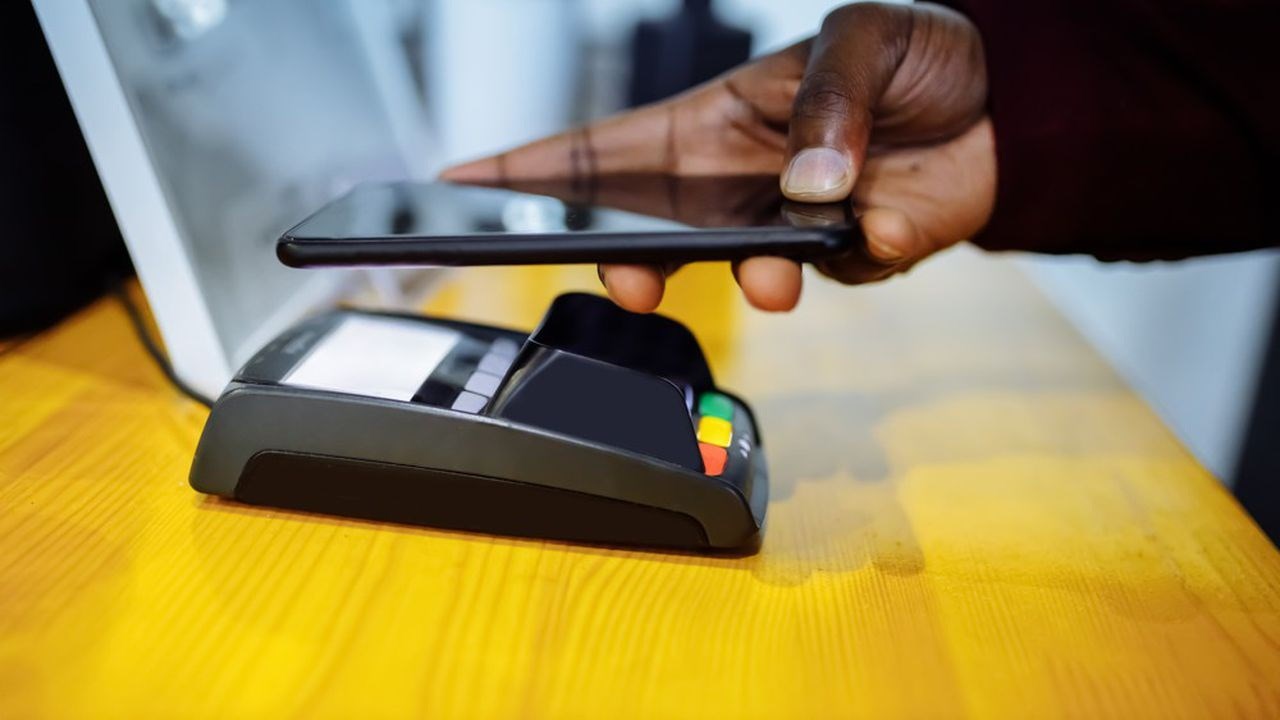
Mobile money confirms its role as a key driver of financial inclusion with a transaction volume that has soared to 16,36 billion operations (+37,3%) for a total value of 219 151 billion FCFA, representing explosive growth of +39,7% compared to 2024. This is one of the main findings of the ‘Financial Inclusion Dashboard in the UEMOA’, made public on 20 October 2026 on the BCEAO website for the year 2025.
Impressive, this dynamic is based on an increasingly massive adoption of digital tools by the populations in the region. The total number of mobile money accounts opened has now reached 284 757 275.
Among these accounts, 92,7 million are considered active. This vitality allows the utilization rate of electronic money to progress significantly to reach 60,3%.
This translates into an increase of 3,1 percentage points in the span of a single year. Financial inclusion Thanks to this spectacular rise in digital payments, global financial inclusion within the UEMOA has reached a new historic milestone.
The overall rate of use of financial services, carefully adjusted for the phenomenon of multi-banking, stood at 76,1% at the end of the year 2025. This corresponds to an increase of 2,5 points in one year, whereas this figure was 73,6% the previous year.
In parallel, the synthetic financial inclusion index, the global score that measures the quality of access to financial services in the zone, confirms its progression, climbing from 0,600 to 0,616. Banking While mobile money drives growth, traditional banks continue to progress at a more measured but solid pace.
In 2025, the strict banking rate stood at 26,9%, compared to 25,2% the previous year, and the extended rate reached 50,6%. The 136 banks in the zone are thus strengthening their foundations.
Total money placed by clients in banks (known as deposit outstandings) jumped by 16,5% to reach 56 200 billion FCFA. At the same time, loans granted to the economy grew by 5% to reach 38 732 billion FCFA.
As for borrowing costs, they remain stable, with an average interest rate of 6,69%. Interbank electronic banking In addition to mobile telephony and traditional banking services, the regional financial landscape is benefiting from the strong vitality of interbank electronic banking.
The zone recorded a total of 8 763 569 bank cards in circulation, marking an increase of 9,3% over one year, for a transaction volume reaching 16 389 billion FCFA. Within this ecosystem, the prepaid card segment achieved a spectacular breakthrough with a rise of 44,8%, now reaching 2 589 494 cards in service.
This figure reflects a marked preference among users for flexible payment instruments that are directly accessible without requiring the prior opening of a traditional bank account. Regional disparities However, these overall performances hide regional disparities.
Côte d'Ivoire and Senegal remain the two economic locomotives of the region, concentrating the vast majority of the value of electronic money transactions with 71 307 billion FCFA and 58 617 billion FCFA, respectively. Regarding overall penetration, countries such as Benin, Togo, and Côte d'Ivoire display the most advanced financial service utilization rates in the Union, bordering on or exceeding saturation thresholds.
Conversely, nations like Niger still lag relatively behind, despite the initiatives and constant efforts deployed to bring financial services closer to rural and vulnerable populations. Anselme Akéko Published on 22/10/26 09:11 The Editorial Staff