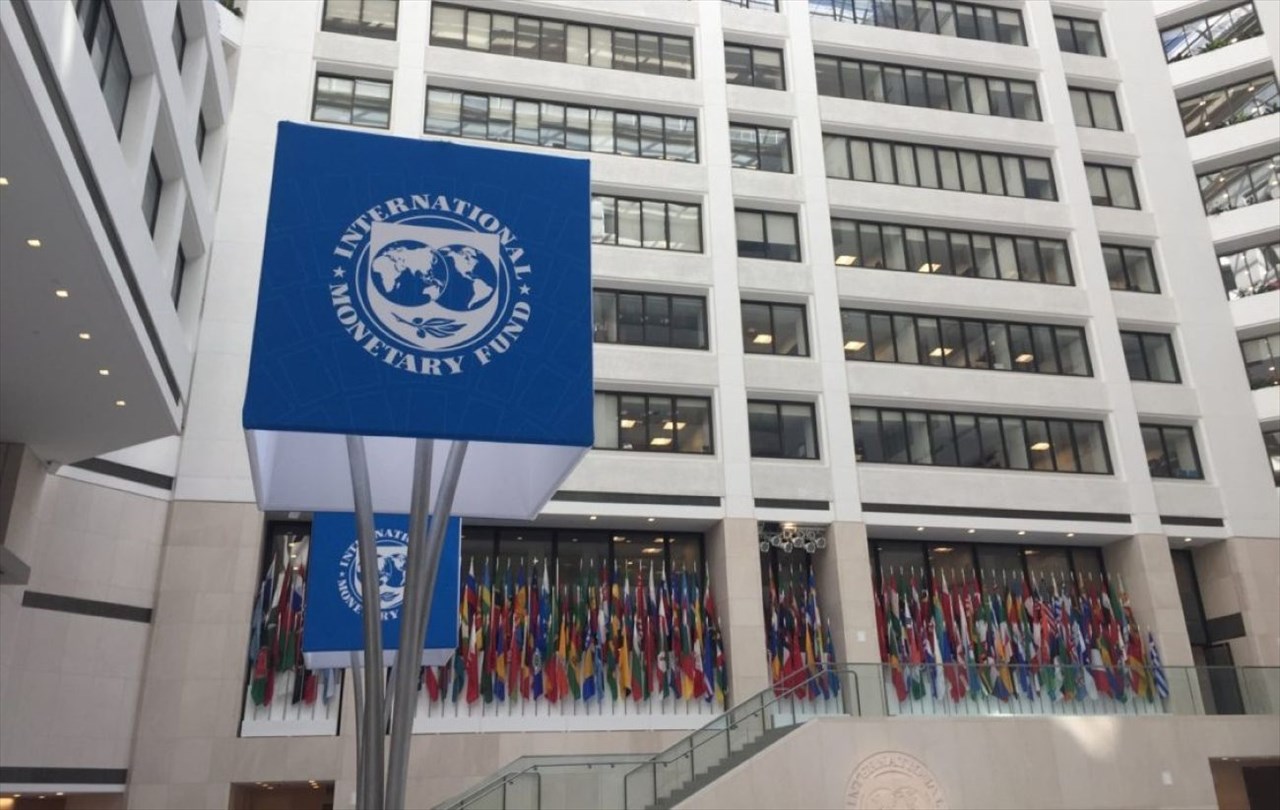
At the conclusion of an eleven-day mission in Niamey, FMI staff reached an agreement with the authorities on the final review of the current program and on new 38-month financing. An initial tranche of 36 million dollars could be disbursed in December, subject to approval by the institution's Executive Board.
Niger is preparing to extend its financial partnership with the International Monetary Fund. Following a mission conducted in Niamey from 28 September to 8 October 2026, FMI staff reached an agreement with the authorities on both the tenth and final review of the current program and the implementation of a new 38-month arrangement.
This future program, also backed by the Extended Credit Facility (FEC), provides for access to 150,02 million in special drawing rights, or approximately 203 million dollars (nearly 114 billion FCFA). It is intended to support the Program for the Refoundation of the Republic, the development strategy adopted by the government for the period 2025-2029.
The announced agreement does not yet equate to final approval. It is a "staff-level agreement," meaning a technical understanding between FMI teams and the Nigerien government regarding the economic policies and reforms to be implemented.
The Fund's Executive Board must still examine the dossier, likely in early December. If this final step is completed, Niger could immediately receive 26,32 million in DTS, or approximately 36 million dollars.
These resources are intended to help cover its external financing needs and support the execution of reforms. The negotiation takes place against a backdrop of sustained growth.
The FMI forecasts an expansion of 7% in the Nigerien economy in 2026, followed by 6,7% in 2027. In the medium term, growth is expected to remain around 6,1% per year, primarily driven by agriculture, extractive industries, and public investment.
This momentum is benefiting in particular from the ramp-up of the oil sector. The increase in crude oil prices has bolstered state revenues and the country's foreign exchange inflows.
In other words, Niger is deriving more income from its oil exports, which improves both its budget and its capacity to finance imports. This advantage, however, has a downside.
The rise in energy prices also increases transportation costs and the price of certain imported goods, which weighs particularly on the most vulnerable households. The FMI therefore projects average inflation of -2,5% in 2026, a sign that prices would remain overall below their average level of 2025, before a rise of 2,2% in 2027.
This annual average does not mean that all prices are continuing to decline: the institution is already observing new pressures on food and fuel. The fiscal deficit is expected to reach 3,4% of gross domestic product in 2026.
It would thus slightly exceed the 3% threshold set in the UEMOA. The FMI attributes this gap to reconstruction expenditures incurred after the natural disasters of 2025 and to aid granted to households affected by rising food and energy prices.
At the same time, the government plans to use a portion of the additional oil revenues to rebuild its fiscal buffers. The challenge is to prevent the improvement in oil revenues from leading to a lasting increase in spending that would be difficult to finance in the event of a price reversal.
The authorities have thus committed to maintaining a prudent debt policy and to prioritizing grants as well as concessional loans, granted at lower rates and over longer durations than market financing. The Extended Credit Facility is an instrument intended for low-income countries facing persistent external financing difficulties.
It provides resources on more favorable terms than those generally available on markets, in exchange for an economic policy and reform program regularly monitored by the FMI. The new Nigerien program must address three priorities: strengthening public revenues and preserving debt sustainability, consolidating the stability of the financial system, and fostering growth more driven by the private sector.
The authorities will, in particular, need to continue public finance management reforms, improve governance and transparency, strengthen accountability, and complete the clearance of domestic and external arrears. The banking sector will also need to increase its capacity to finance businesses, particularly micro, small, and medium-sized enterprises.
The FMI considers the results achieved under the current program to be solid. The objectives