Congo is expected to record one of the strongest improvements in its contribution to the economic activity of CEMAC in the third quarter of 2026. According to forecasts by the Bank of Central African States (BEAC), this contribution is expected to increase from 0,3 to 0,9 percentage point in one quarter, representing a tripling, while the regional index would accelerate from 5,9% to 8,5%.
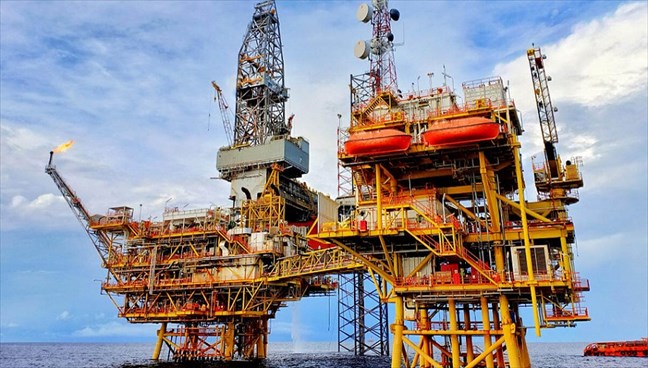
Behind this anticipated progression are primarily new oil investments and the development of the gas industry. The first driver is based on drilling campaigns.
Bringing new wells into production increases extracted oil volumes and stimulates associated oilfield services activities. BEAC specifically cites Perenco, whose operations on the Tchibouela East offshore field contributed to the production increase in the second quarter.
Investments committed to oil exploitation thus directly support the activity of sectors linked to hydrocarbons. The second driver concerns gas.
Projects developed around Congo LNG and Eni Congo are progressively strengthening national production and processing capacities. The Central Bank anticipates an increasing contribution from these facilities to gas production.
This ramping up would complement traditional oil activities, by broadening the sources of activity for the Congolese extractive industry. This dynamic places Congo among the countries whose contribution to regional economic growth is expected to increase the most.
In the second quarter, its contribution of 0,3 percentage point remained lower than that of Gabon, estimated at 0,4 percentage point. In the third quarter, it would reach 0,9 percentage point, against a Gabonese contribution still expected at 0,4 percentage point.
The gap would reflect, in particular, the resurgence of oil drilling and gas capacities in Congo. However, the outlook for companies remains exposed to energy and logistical difficulties identified by BEAC.
These constraints continue to weigh on operating costs and profitability, despite investments made in hydrocarbons. The consolidation of oilfield services activity will thus depend on the continuation of drilling, the ramping up of gas facilities, and the improvement of company operating conditions.
Published on 17/10/26 12:55. The Editorial Board