Africa possesses considerable wealth in its forests, lands, and wildlife, yet struggles to derive sustainable prosperity from it. Valued at 7 600 billion dollars by the African Development Bank's African Natural Resources Management and Investment Centre (BAD), its natural capital remains underfunded, even as its degradation threatens the foundations of many economies.
The continent hosts approximately a quarter of the world's biodiversity and 9 of the 36 biodiversity hotspots identified globally. Its grasslands and forests cover more than half of its territory and contribute to the livelihoods of more than 70% of the sub-Saharan African population.
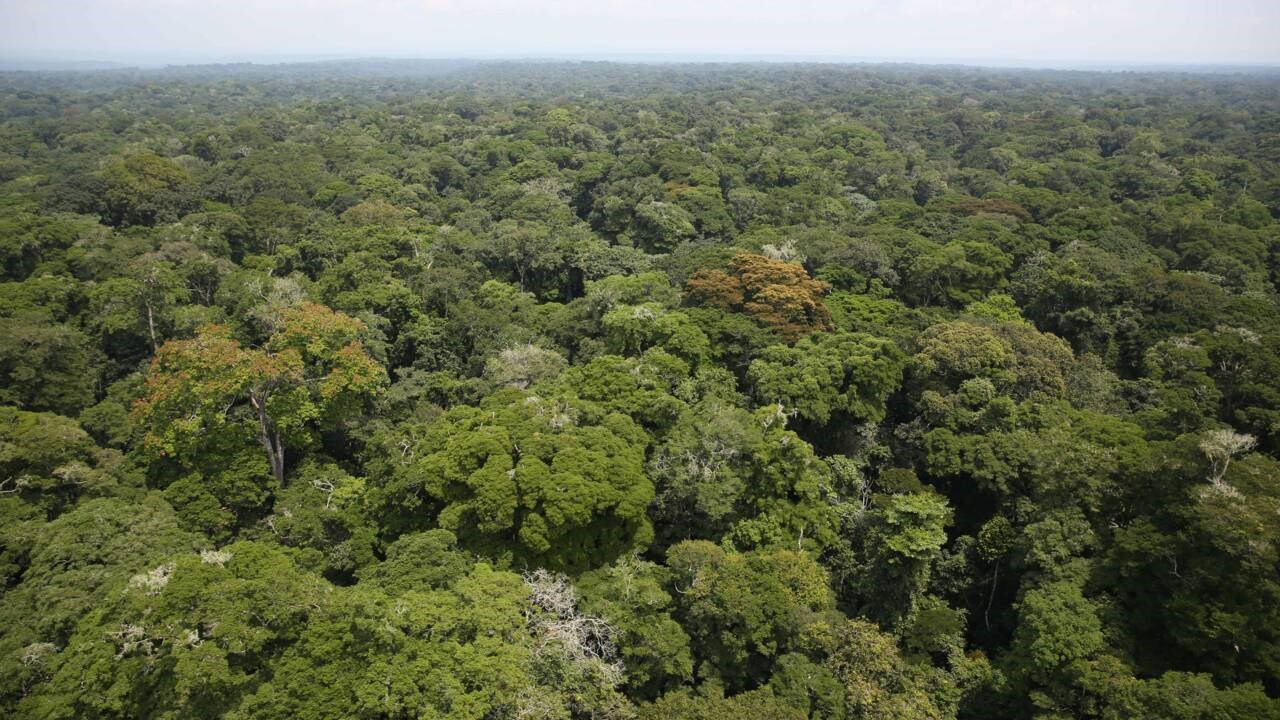
The Congo Basin, the second-largest tropical rainforest on the planet, also constitutes a significant carbon sink.
However, this heritage is eroding rapidly. Africa is losing nearly 4 million hectares of forest per year, while the populations of wild vertebrates monitored on the continent have fallen by 76% between 1970 and 2020, according to the World Wide Fund for Nature's (WWF) Living Planet Report 2024.
Côte d'Ivoire, Ghana, and the Democratic Republic of the Congo are among the countries facing significant deforestation.
Beyond the ecological emergency, this degradation represents an economic risk. It weakens the resources upon which populations and productive activities depend, while compromising the continent's ability to build resilient growth.
Commitments to be converted into investments
Adopted in 2022, the Kunming-Montreal Global Biodiversity Framework establishes, among other things, the objective to preserve and manage at least 30% of terrestrial and marine ecosystems by 2030. African countries are developing national strategies to translate these ambitions into concrete actions.
However, the challenge remains to finance their implementation and integrate biodiversity into budgetary policies and investment decisions.
Weak funding, limited institutional capacity, and competition from short-term economic priorities are hindering this transformation. To address this, the BAD advocates for increased resource mobilization, a reorientation of nature-harmful subsidies, and the use of innovative mechanisms capable of attracting public and private capital.
The institution intends, in particular, to support the restoration of ecosystems, forest conservation, and sustainable natural resource management. It has announced a commitment of 6,5 billion dollars in support of the Great Green Wall initiative, alongside other programs deployed in the Congo Basin, the Lake Chad Basin, the Horn of Africa, and the Sahel.
Scheduled to take place in Yerevan, Armenia, from 19 to 30 October, the 17th Conference of the Parties to the Convention on Biological Diversity (COP17) provides an opportunity to advance these financing solutions.
Published on 19/10/26 09:01
Dr. Ange Ponou