In Senegal, the return of load shedding has been a growing source of concern for households and businesses for several weeks. After more than a decade without outages of such magnitude, several neighborhoods in Dakar and various regions of the country were recently deprived of electricity for several hours.
A situation that revives questions about the reliability of the electrical system and its cost to the economy. In Thiaroye, one of the working-class neighborhoods of Dakar, Ibrahima Sylla is already feeling the consequences.
Aged about fifty, he has been operating a bakery for twenty-four years. His business relies heavily on electricity, which is essential to ensure the daily production of bread and supply his customers.
Since the return of the outages, his business has been operating at a reduced pace. In addition to an electricity bill that he already considers high, the baker must now buy diesel daily to power his generator.
This additional expense directly reduces his margins. "Without electricity, our business is hampered.
Our machines run all day. When we are forced to buy fuel to run the generator, costs increase significantly.
And the situation is already difficult," he laments. Faced with user dissatisfaction, the Managing Director of SENELEC, Pape Toby Gaye, attempted to explain the origins of the crisis.
According to him, the electrical system is facing two major failures. The first concerns Karpowership, the powership that contributes to the country's electricity supply.
Its unavailability reportedly deprived the grid of nearly 200 megawatts. The second affects the Cap des Biches power plant operated by West African Energy.
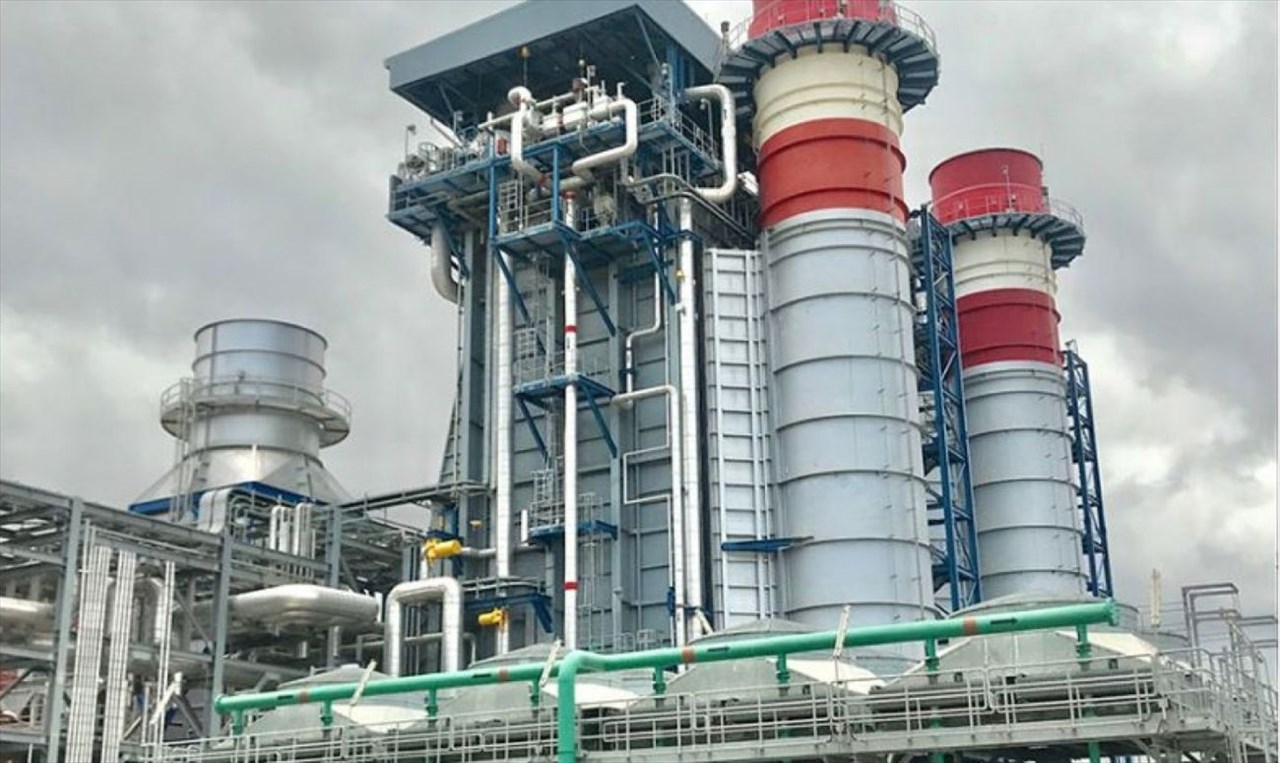
Of the two turbines at the facility, one is currently out of service. This power plant was designed to run on gas but, due to a lack of available supply, it uses diesel.
However, the rise in petroleum product prices, fueled by tensions in the Middle East, complicates and increases the cost of its operation. Added to these technical difficulties are cash flow tensions, strong demand for electricity, and the effects of the hot season.
The Minister of Energy and Petroleum, El Hadji Abdourahmane Diouf, indicated that demand had reached a peak of 1 400 megawatts in August, higher than forecasts. Despite an installed capacity of more than 2 300 megawatts, the system could not meet requirements due to technical failures and insufficient fuel supply.
SENELEC had announced a gradual return to normal. Improvements are being observed, but several neighborhoods in Dakar and certain localities in the interior continue to experience interruptions lasting several hours.
The government plans to mobilize 400 billion FCFA in order to strengthen the sector and make progress toward universal access to electricity. The national access rate is currently estimated at 86%, while the authorities are aiming for full coverage of the territory by 2029.
"Universal access to electricity by 2029 remains a central objective. This policy is part of Senegal's new status as a hydrocarbon-producing country," declared the Minister of Energy and Petroleum.
In this strategy, the Yakaar-Teranga gas field must occupy an important place. Petrosen is called upon to play a central role in its development and in the negotiation of future partnerships, in order to preserve the country's economic interests and guarantee that a portion of the gas is destined for the domestic market.
The project must serve both domestic needs and exports. For the government, the challenge consists of securing supplies, reducing production costs, and modernizing electrical infrastructure.
"We must build an energy system that is simultaneously reliable, competitive, and sustainable for public finances," emphasizes El Hadji Abdourahmane Diouf. For Dr.
Babacar Kébé, a lecturer at the National Institute of Oil and Gas, the increase in load shedding reveals the persistent weaknesses of the Senegalese electrical system. Beyond the inconveniences suffered by users, these interruptions directly affect economic activity and, according to him, risk undermining investor confidence.
This crisis is occurring, however, at a time when Senegal is entering a new phase of its energy development with the exploitation of its oil and gas resources. The country now has resources capable of strengthening its electricity supply and gradually reducing its dependence on imported fuels.
The "Gas-to-Power" strategy, which consists of using natural gas to generate electricity, thus appears to be one of the main levers of t